
 Related Products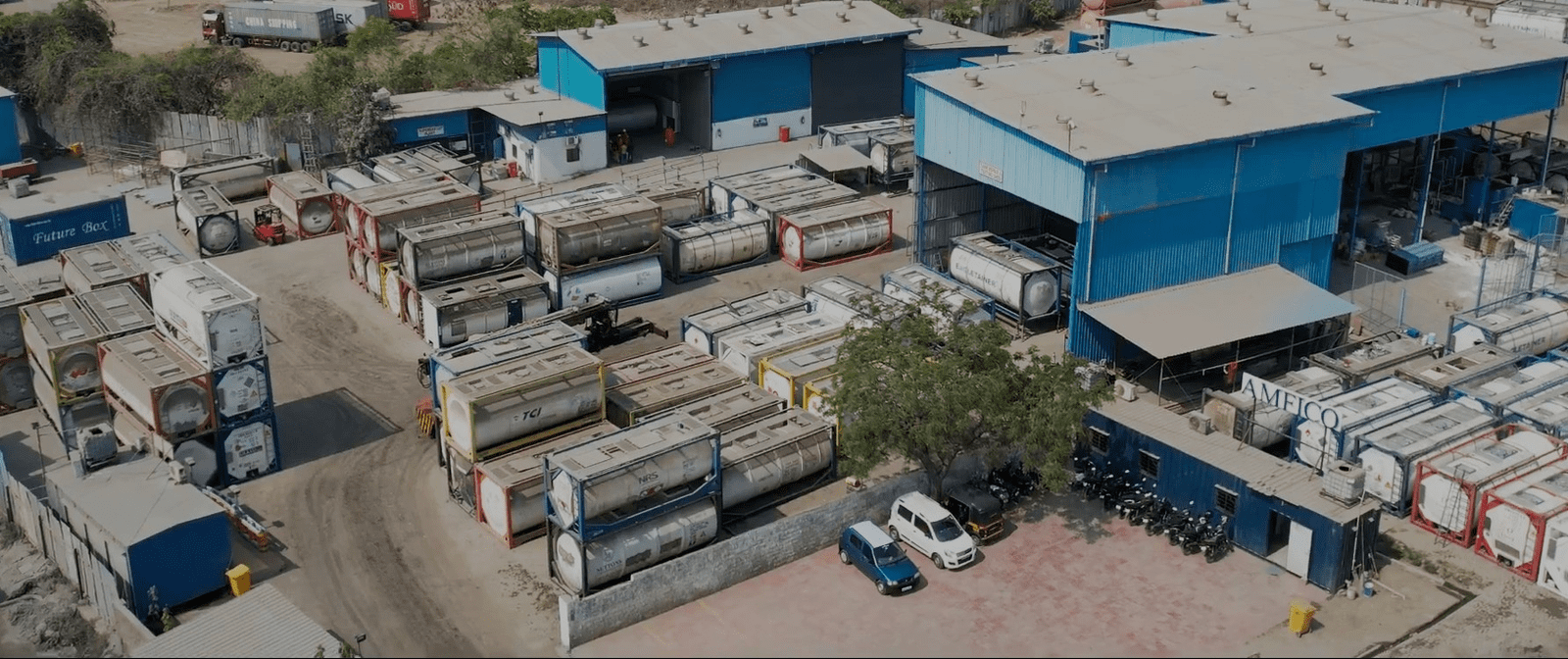
India is the third-largest pharmaceutical producer in the world by volume, with a market valued at USD 42 billion. The country supplies over 60% of the global vaccine demand and accounts for more than 20% of generic drug exports worldwide.
Yet 20% of India’s temperature-sensitive healthcare products arrive at their destination damaged or degraded. Across all perishable sectors, cold chain failures cost India an estimated INR 92,000 crore annually – with pharmaceutical losses alone exceeding INR 2,500 crore per year.
The gap between India’s pharma manufacturing strength and its cold chain infrastructure is where medicines lose potency, vaccines lose viability, and companies lose revenue. This article examines the current state of pharmaceutical cold chain logistics in India – the infrastructure that exists, the challenges that persist, and the solutions that are closing the gap.
Why Cold Chain Logistics Matters for India’s Pharma Industry
Approximately 30% of all pharmaceutical products require temperature-controlled storage and transport at some point between manufacturing and patient delivery. This includes vaccines, biologics, insulin, blood products, certain APIs, and an expanding range of biosimilars.
A broken cold chain does not always destroy a product visibly. Temperature excursions – even brief ones – can reduce drug efficacy, alter chemical stability, or render a vaccine inactive without any outward sign of damage. The product reaches the patient, but the therapeutic value does not.
For a country that serves as the pharmacy of the world, the stakes are high. India exported USD 30.47 billion worth of pharmaceutical products in FY2024-25. A growing share of those exports – particularly biologics and temperature-sensitive APIs – require cold chain integrity from factory floor to destination port and beyond.
The pharma cold chain logistics market in India was valued at USD 0.57 billion in 2024 and is projected to reach USD 0.80 billion by 2033, growing at a CAGR of 3.20%. Within the broader cold chain logistics sector, pharmaceuticals and biologics represent the fastest-growing segment, expanding at 6.20% CAGR through 2031.
How Pharmaceutical Cold Chain Logistics Works
Pharmaceutical cold chain logistics is the system of transporting and storing medicines within defined temperature ranges – from the point of manufacture to the point of administration. Every link in this chain must maintain the correct temperature without interruption.
The process typically follows this sequence:
- Manufacturing / fill-finish – product is produced and stored in temperature-controlled warehousing at the factory
- Primary transport – product moves from factory to distribution hub via reefer truck, reefer container, or temperature-controlled air cargo
- Distribution warehousing – product is held in cold storage at a regional hub or port facility
- Secondary transport – product moves from hub to hospital, pharmacy, or clinic
- Last-mile delivery – product reaches the end user, maintaining temperature throughout
A failure at any single point compromises the entire chain. This is why cold chain logistics is measured by continuity, not just capacity.
Temperature Zones for Pharmaceutical Products
Different pharma products require different temperature ranges. Getting this wrong – even by a few degrees – can be the difference between a viable drug and a write-off.
| Product Category | Required Temperature Range | Examples |
| Vaccines | +2°C to +8°C | COVID-19 vaccines, DPT, MMR, Hepatitis B |
| Biologics / Biosimilars | +2°C to +8°C | Monoclonal antibodies, recombinant proteins |
| Insulin | +2°C to +8°C | All insulin formulations |
| Blood products | +1°C to +6°C | Plasma, platelets, whole blood |
| Controlled Room Temperature (CRT) | +15°C to +25°C | Many APIs, oral solid dosage forms |
| Frozen products | -20°C to -30°C | Certain biologics, diagnostic reagents |
| Cryogenic products | -150°C to -196°C | Cell therapies, gene therapies |
This range – from +25°C down to -196°C – demands equipment versatility that most Indian logistics operators do not currently have. Standard refrigerated trucks cover the +2°C to +8°C band reasonably well. Anything below -20°C requires specialised reefer containers or cryogenic systems.
Pharma Cold Chain Infrastructure in India – Where It Stands Today
India’s cold chain infrastructure has grown significantly over the past decade, but it remains heavily concentrated in a few geographies and largely unorganised.
The numbers tell the story:
The country’s overall cold chain storage and logistics market reached USD 4,701 million in 2024 and is projected to grow to USD 12,192 million by 2030 at a CAGR of 17.04%. Growth is strong – but it is starting from a low base relative to the demand.
60% of India’s cold storage capacity is concentrated in just four states: Uttar Pradesh, Gujarat, West Bengal, and Punjab. These are primarily agricultural cold stores, not pharma-grade facilities. The remaining states – including several with significant pharma manufacturing clusters – have limited cold chain infrastructure.
80% of the cold chain sector remains unorganised. This means fragmented ownership, inconsistent maintenance standards, no centralised monitoring, and limited accountability for temperature deviations. For pharmaceutical cargo, which requires documented compliance at every stage, this is a structural problem.
Only 10% of perishable products – including temperature-sensitive pharmaceuticals – currently benefit from cold storage facilities. The remaining 90% moves through ambient or semi-controlled conditions.
71% of India’s freight travels by road. This over-reliance on a single mode creates vulnerability. Road transport is exposed to traffic delays, fuel price volatility, and equipment breakdowns – all of which extend transit times and increase the risk of temperature excursions.
Refrigerated transport penetration remains below 15% outside metro and Tier-1 cities. For pharma companies distributing to Tier-2, Tier-3, and rural markets, the last-mile cold chain is the weakest link.
7 Challenges Facing Pharma Cold Chain Logistics in India
1. Infrastructure Gaps Beyond Metro Cities
India’s cold chain infrastructure is concentrated in and around major cities. Once a shipment moves beyond Mumbai, Delhi, Hyderabad, Ahmedabad, or Bengaluru, the availability of pharma-grade cold storage drops sharply. Only 20% of rural healthcare facilities have adequate cold storage capabilities – a critical gap for vaccine distribution and essential medicine access.
2. Road Dependency and Limited Multimodal Options
With 71% of freight moving by road, pharma cold chain in India carries disproportionate risk from a single transport mode. Rail cold chain is nascent – a dedicated cold-chain rail service between Hyderabad and Mumbai was launched recently to strengthen pharma export routes, but coverage remains limited. Air freight handles high-value, time-sensitive pharma shipments but is prohibitively expensive for bulk volumes.
3. Temperature Excursions During Last-Mile Delivery
The last mile is where most cold chain failures occur. Products that have been maintained at +2°C to +8°C across thousands of kilometres can be compromised in the final 50 kilometres by an unmonitored delivery vehicle, an extended wait at a loading dock, or a power outage at a rural clinic. Industry data shows that real-time IoT monitoring can reduce temperature deviations by up to 68%, but adoption rates in last-mile delivery remain low.
4. Regulatory Fragmentation
Until the revision of Schedule M, India’s pharmaceutical manufacturing and distribution standards were not fully harmonised with WHO-GMP guidelines. Cold chain compliance requirements varied between states, creating inconsistency in how temperature-sensitive products were handled across the supply chain. The revised Schedule M (with a final implementation deadline of January 2026) is designed to close this gap – but compliance readiness across the industry remains uneven.
5. High Energy and Operating Costs
Cold storage and reefer transport are energy-intensive operations. Energy costs account for 35-45% of operational expenses in Indian cold storage facilities – compared to approximately 10% in Western markets. Fuel prices alone represent roughly 45% of cold storage operating charges. This cost pressure is especially acute for small and mid-sized pharma companies that lack the volume to negotiate favourable logistics rates.
6. Skilled Workforce Shortage
India’s cold chain sector faces a deficit of approximately 45,000 trained professionals across equipment operation, maintenance, quality assurance, and regulatory compliance. Without skilled operators, even well-equipped cold chain facilities underperform – leading to improper temperature settings, delayed maintenance responses, and non-compliant documentation.
7. Limited Cold Chain for Pharma Exports
India exported USD 30.47 billion in pharmaceuticals in FY2024-25, yet the export cold chain – from factory to port to international destination – receives far less attention than domestic distribution. Pharma exporters need multimodal cold chain continuity: reefer trucks to port, temperature-controlled warehousing at port, and reefer containers for sea freight. Gaps at any handover point put the entire export shipment at risk.
Regulatory Framework: Schedule M, GDP, and CDSCO Compliance
India’s regulatory landscape for pharma cold chain is undergoing its most significant update in decades. Understanding these requirements is essential for any company involved in manufacturing, distributing, or transporting temperature-sensitive pharmaceuticals.
Revised Schedule M
The Central Drugs Standard Control Organisation (CDSCO) revised Schedule M to harmonise Indian pharmaceutical manufacturing standards with WHO-GMP guidelines. The revision includes specific requirements for cold chain infrastructure:
- IQ/OQ/PQ (Installation Qualification, Operational Qualification, Performance Qualification) is now mandatory for all cold storage equipment used in pharma manufacturing and distribution
- Real-time temperature monitoring with automated deviation logging is required – manual temperature records are no longer sufficient
- Calibration and validation of all temperature-control equipment must be documented and traceable
- The final compliance deadline is January 2026 – all manufacturers, including MSMEs, must meet the revised standards by this date
For pharma companies that have been operating with legacy cold storage equipment or manual monitoring systems, this deadline requires immediate infrastructure upgrades.
Good Distribution Practice (GDP)
GDP guidelines govern how pharmaceutical products are handled during storage and transportation. Key requirements include maintained temperature records throughout the distribution chain, validated shipping containers with documented temperature performance, documented procedures for handling temperature excursions, and training records for all personnel involved in cold chain operations.
What This Means for Pharma Companies
The combined effect of revised Schedule M and GDP requirements is clear: pharmaceutical companies can no longer treat cold chain as a logistics problem alone. It is a compliance requirement with audit and inspection implications. Companies that invest in compliant cold chain infrastructure now – including certified reefer equipment, IoT monitoring, and preventive maintenance plans – are positioning themselves ahead of the regulatory curve.
Solutions That Address India’s Pharma Cold Chain Gaps
Reefer Containers for Pharmaceutical Transport
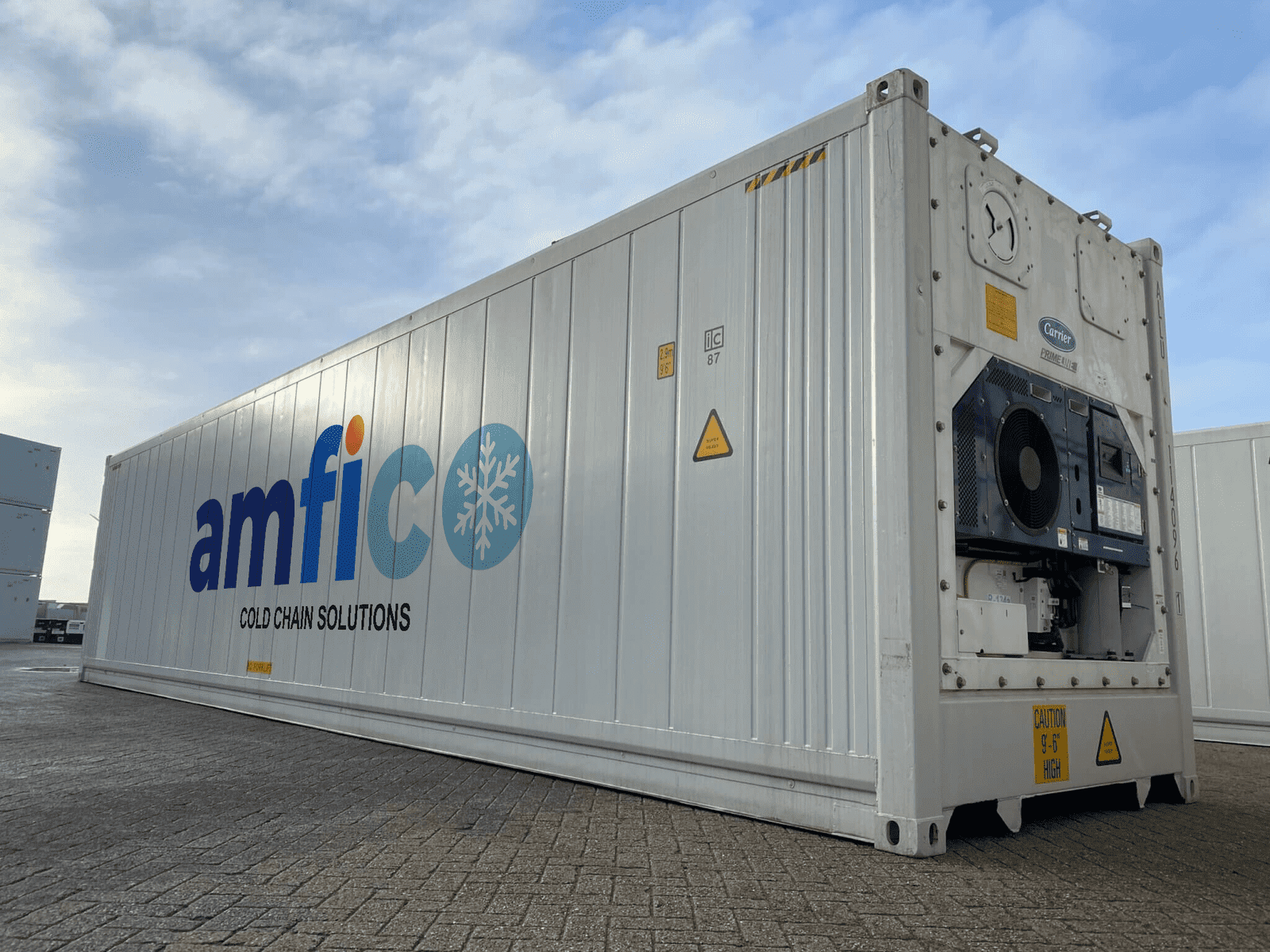
Reefer containers – refrigerated shipping containers available in 10ft, 20ft, and 40ft configurations – provide pharma-grade temperature control for both domestic transport and international shipments. Unlike refrigerated trucks, reefer containers are multimodal: they move by road, rail, and sea without requiring cargo transfer, which eliminates temperature break points.
Modern reefer containers maintain temperatures from -40°C to +20°C (standard models) and down to -70°C (SuperFreezer configurations), covering the full spectrum of pharmaceutical temperature requirements from CRT storage to deep-frozen biologics.
Key features relevant to pharma compliance include IoT-enabled monitoring, data loggers for continuous temperature recording, temperature extraction devices for audit-ready documentation, and man-trap alarms and strip curtains for safety during loading and unloading.
Clip-On Reefer Units for ISO Tank Containers
For pharma companies transporting bulk APIs, pharmaceutical intermediates, or liquid formulations in ISO tank containers, clip-on refrigeration units provide temperature control without requiring a dedicated reefer tank.
The Klinge TCR-109, for example, is a side-mounted reefer unit that circulates brine or synthetic oil around the tank shell, providing both heating and cooling across a range of -29°C to +29°C. This allows a standard ISO tank container to carry temperature-sensitive pharmaceutical bulk liquids on any trade lane – a capability that most pharma logistics providers in India do not currently offer.
IoT and Real-Time Temperature Monitoring
Real-time monitoring systems using IoT sensors, GPS tracking, and cloud-based dashboards provide continuous visibility into cold chain conditions. Industry data shows these systems can reduce pharmaceutical shipment excursions from 1.93% to as low as 0.3% – a reduction that translates directly into lower product losses and stronger regulatory compliance documentation.
For companies preparing for Schedule M compliance, IoT monitoring addresses the requirement for automated temperature logging with deviation alerts, replacing manual checks with auditable digital records.
Multimodal Cold Chain Transport
India’s cold chain logistics sector is beginning to move beyond road-only transport. The launch of a dedicated cold-chain rail service between Hyderabad and Mumbai is an early signal that multimodal pharma cold chain is viable. Rail offers lower per-unit transport costs, reduced transit time variability, and lower carbon emissions compared to long-haul road freight.
Reefer containers are inherently multimodal – the same container can move from factory to truck to rail to port to vessel without breaking the temperature chain. This is a structural advantage over refrigerated trucks, which are limited to road transport.
Buy vs. Lease: Choosing the Right Reefer Model
For pharma companies evaluating cold chain equipment, the buy-versus-lease decision depends on shipment frequency, capital availability, and operational flexibility.
| Factor | Lease | Buy |
| Best for | Short-term, seasonal, or project-based needs | Long-term, consistent cold chain operations |
| Capital outlay | Zero CAPEX – pay as you use | Higher upfront investment |
| Maintenance | Full maintenance support included | Owner responsible (or AMC contract) |
| Flexibility | Scale up or down with demand | Fixed capacity |
| Compliance | Lessor maintains certifications | Owner manages ISO/CSC/IMDG certification |
Preventive Maintenance and AMC
Cold chain equipment that is not regularly maintained is cold chain equipment that will fail – and in pharma logistics, failure means product loss and compliance risk.
Annual Maintenance Contracts (AMC) for reefer containers provide scheduled inspections, certified engineers for repairs, OEM spare parts, and compliance checks aligned with current regulatory standards. Data from AMC contracts shows up to 30% reduction in energy costs and a 50% decrease in breakdown-related expenses – savings that offset the AMC investment within the first year.
Government Initiatives Driving Cold Chain Growth
Several national-level initiatives are accelerating cold chain infrastructure development:
PM Gati Shakti National Master Plan is streamlining logistics infrastructure across transport modes, reducing transit times for temperature-sensitive cargo by improving multimodal connectivity.
National Logistics Policy (NLP) provides a framework for integrating transport networks, warehousing, and regulatory processes – including the Unified Logistics Interface Platform (ULIP) for real-time data integration across the supply chain.
Pradhan Mantri Kisan Sampada Yojana has allocated INR 6,000 crore for cold chain infrastructure development. While primarily food-focused, the shared infrastructure benefits pharma cold chain operations in underserved regions.
How Amfico Supports Pharma Cold Chain Logistics in India
Amfico operates across the full spectrum of cold chain solutions – from reefer container supply and leasing to clip-on refrigeration units, spare parts, and preventive maintenance contracts. The company provides equipment and support services designed for the specific requirements of pharmaceutical, biotech, and food-grade cargo.
Reefer Container Sale & Lease
Amfico provides reefer containers for sale and lease in 10ft, 20ft, and 40ft configurations. The range includes Standard Reefer (+25°C to -40°C), Premium Reefer (+25°C to -40°C), SuperFreezer (+5°C to -70°C), and SuperStorage (+25°C to -40°C) models – all ISO, CSC, IMDG, and TIR certified.
Every unit can be equipped with IoT devices for real-time container monitoring, data loggers for continuous temperature recording, strip curtains and anti-rooms to reduce heat loss during loading, man-trap alarms for safety, and dehumidifiers for humidity-sensitive cargo.
Pharma companies can lease reefer containers for seasonal or project-based needs with zero capital outlay, or purchase units for long-term operational control with full after-sales support.
Klinge Reefer Units for Tank Containers
Amfico represents Klinge – a globally recognised refrigeration OEM – in India. The Klinge TCR-109 clip-on reefer unit converts standard ISO tank containers and dry box containers into temperature-controlled units. For pharma companies transporting bulk APIs or liquid intermediates, this provides cold chain capability without the cost of dedicated reefer tank infrastructure.
Reefer Container AMC
Amfico’s Annual Maintenance Contract service covers preventive maintenance, emergency support, certified engineering, OEM spare parts, compliance checks, and detailed service reporting. Services are tracked through software-based monitoring for timely updates and full transparency. AMC customers benefit from up to 30% energy cost reduction and 50% fewer breakdown-related expenses.
Strategic Location
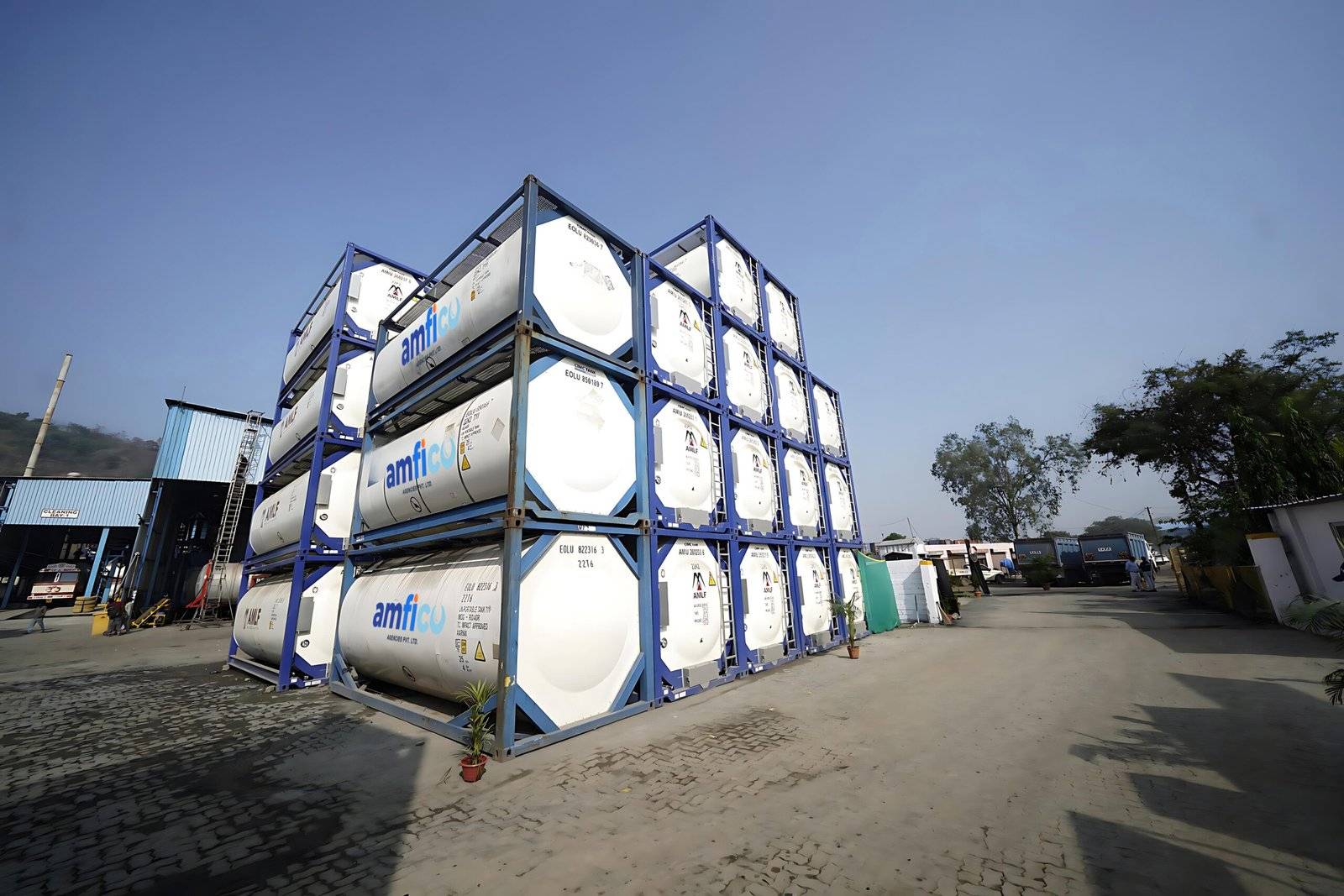
Amfico’s operations at Jasai and Dighode, Uran – adjacent to JNPT (Nhava Sheva), India’s largest container port – position the company at the intersection of India’s pharma export corridor. The Amfico Liquid Logistics Hub provides containerised cold chain operations, storage, and maintenance services within proximity of the port, reducing transit time and temperature exposure for export-bound pharma cargo.
Frequently Asked Questions
What is cold chain logistics in pharmaceuticals?
Cold chain logistics in pharmaceuticals refers to the temperature-controlled supply chain used to store and transport medicines, vaccines, biologics, and other temperature-sensitive healthcare products. It covers every step from manufacturing to patient delivery, maintaining specified temperature ranges throughout.
What temperature is required for a pharmaceutical cold chain?
Temperature requirements vary by product type. Vaccines and biologics typically require +2°C to +8°C. Blood products need +1°C to +6°C. Controlled room temperature (CRT) products require +15°C to +25°C. Frozen biologics need -20°C to -30°C. Cryogenic products such as cell therapies require -150°C to -196°C.
What are the main challenges in India’s pharma cold chain?
The primary challenges include infrastructure concentration in metro cities with limited coverage beyond Tier-1, over-reliance on road transport (71% of freight), high energy costs (35-45% of cold storage OPEX), skilled workforce shortage of approximately 45,000 professionals, and regulatory fragmentation that the revised Schedule M is now addressing.
Are reefer containers suitable for pharmaceutical logistics?
Yes. Reefer containers maintain temperatures from -40°C to +20°C (standard) and down to -70°C (SuperFreezer models), covering the full range of pharmaceutical temperature requirements. They are ISO, CSC, IMDG, and TIR certified and can be equipped with IoT monitoring and data loggers for regulatory compliance documentation.
What is Schedule M and how does it affect the cold chain?
Schedule M is the Indian regulatory standard for pharmaceutical manufacturing practices, revised by CDSCO to align with WHO-GMP guidelines. The revision mandates IQ/OQ/PQ qualification for cold storage equipment, real-time automated temperature monitoring, and documented calibration and validation. The final compliance deadline for all manufacturers, including MSMEs, is January 2026.
What is the cost of cold chain failure in India?
India loses an estimated INR 92,000 crore annually due to inadequate cold storage and supply chain failures. For pharmaceuticals specifically, 20% of temperature-sensitive healthcare products arrive damaged or degraded, resulting in direct product losses and potential patient safety risks.
Can I lease a reefer container for pharma use?
Yes. Reefer containers are available for lease with flexible durations, full maintenance support, and zero capital expenditure. Leasing is suitable for seasonal demand, project-based operations, or companies that prefer operational flexibility over asset ownership. Amfico provides lease options for reefer containers in 10ft, 20ft, and 40ft sizes.
How does IoT help in pharma cold chain monitoring?
IoT sensors provide real-time, continuous temperature and humidity data throughout the cold chain. This data is transmitted to cloud-based dashboards for remote monitoring and automatic deviation alerts. Industry data shows IoT monitoring can reduce temperature excursions from 1.93% to 0.3%. For Schedule M compliance, IoT replaces manual temperature checks with auditable digital records.
Strengthening India’s Pharma Cold Chain – Starting with the Right Equipment
India’s pharmaceutical industry has the manufacturing capacity to serve the world. The cold chain infrastructure to match that capacity is still catching up – but the direction is clear. Regulatory requirements are tightening (Schedule M, GDP), government investment is scaling (Gati Shakti, NLP), and pharma companies are recognising that cold chain is not a cost centre but a compliance and quality requirement.
The companies that move first – investing in certified reefer equipment, IoT-enabled monitoring, and preventive maintenance – will be the ones positioned to serve both domestic and export markets without cold chain-related product losses.
Amfico provides reefer containers (sale and lease), clip-on reefer units for ISO tanks, spare parts, and annual maintenance contracts for pharma-grade cold chain operations across India. Contact our team to evaluate the right cold chain solution for your pharmaceutical logistics needs.
Amfico Agencies Pvt. Ltd. has over two decades of experience in liquid logistics and cold chain solutions, operating from Mumbai with hub facilities at Nhava Sheva (Uran) and Dighode, Maharashtra. The company represents global principals including Klinge (refrigeration OEM) and provides end-to-end cold chain equipment and services for pharmaceutical, food-grade, and specialty chemical applications.