
 Related Products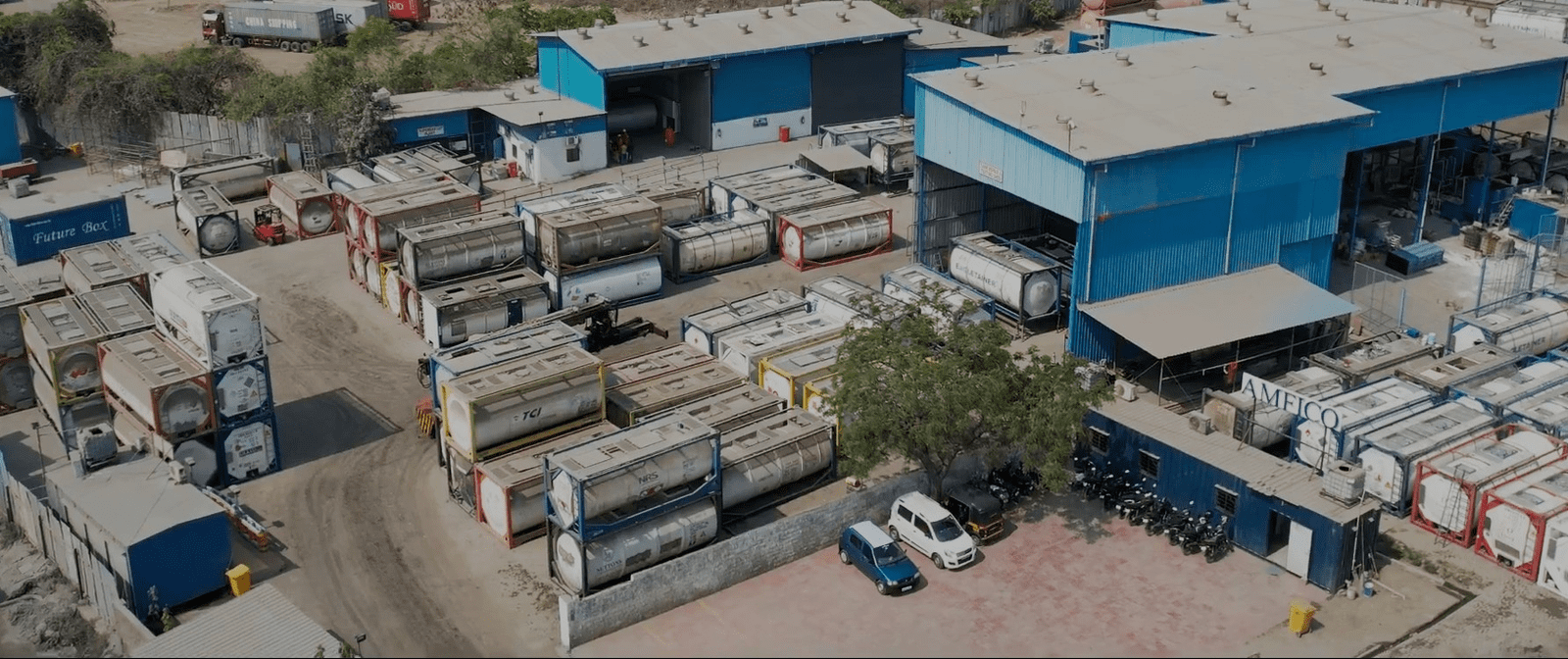

Land Tanks for Bulk Liquid Storage – Secure, Scalable & Compliant Infrastructure
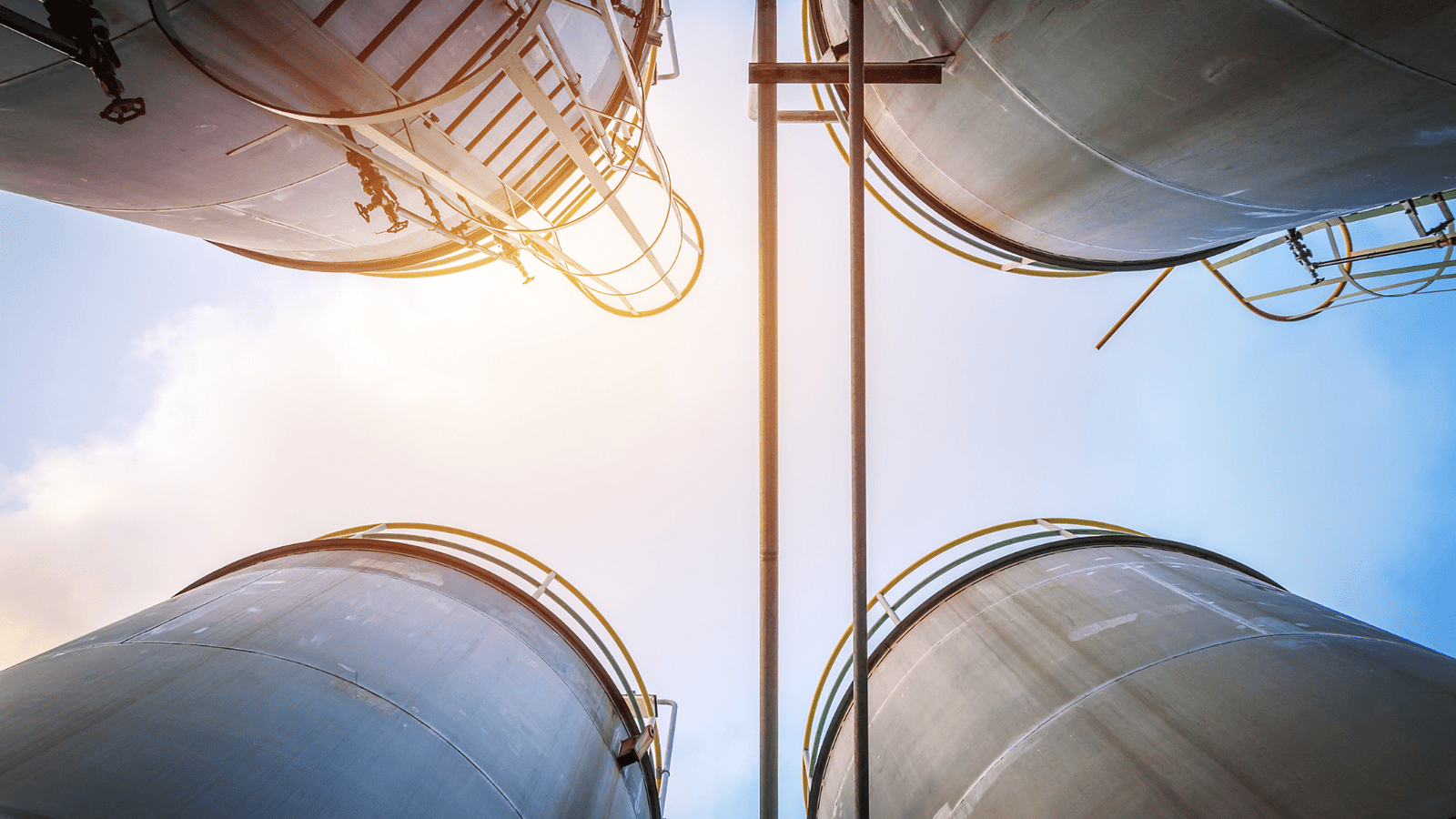
Amfico provides engineered land tanks for bulk liquid storage, designed for chemical, petrochemical and industrial applications. From 50 KL to 50,000+ KL capacities, our static storage tanks enable secure inventory management, temperature control, blending and uninterrupted supply continuity within modern liquid logistics ecosystems.
Introduction
What Are Land Tanks?
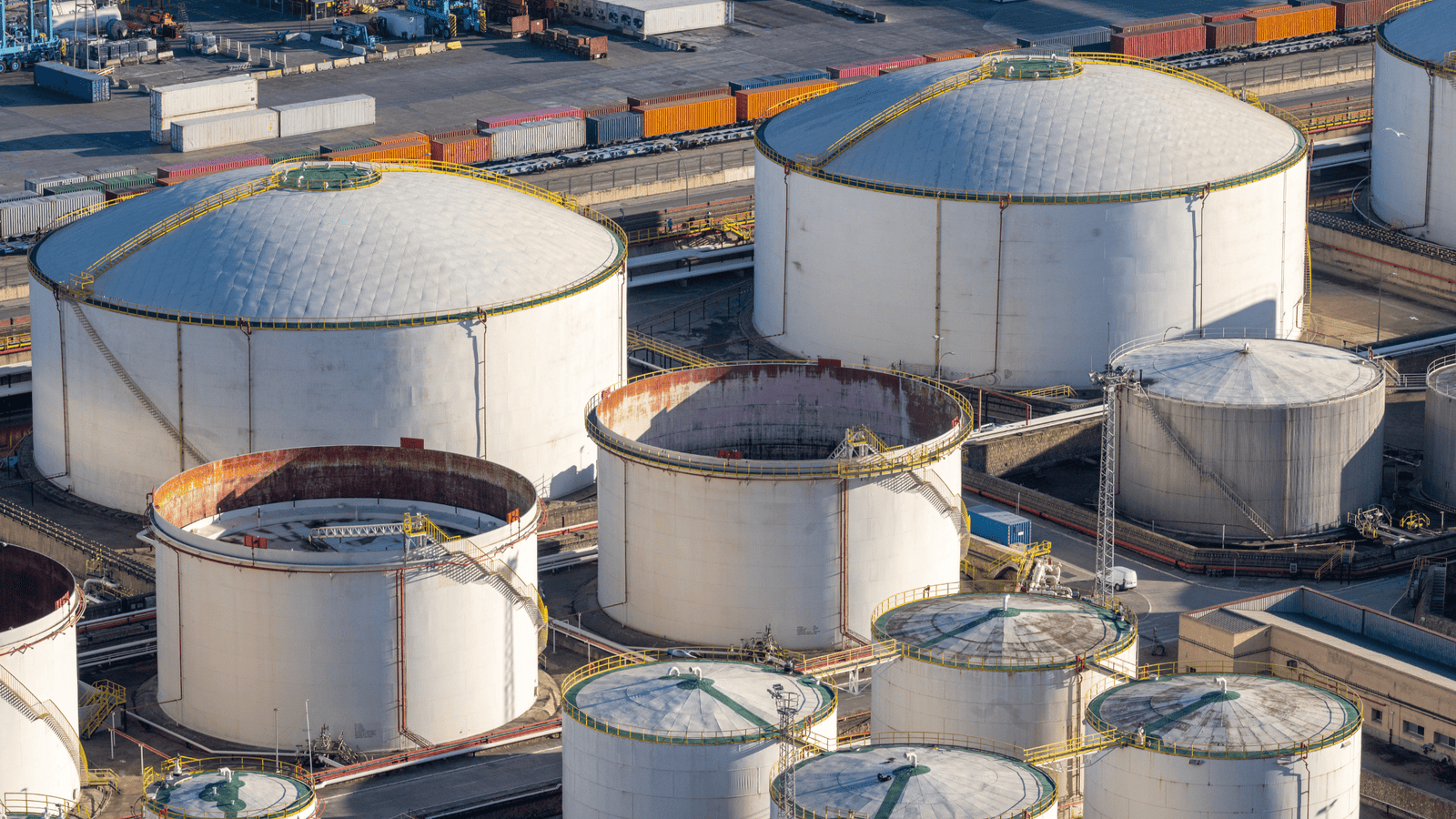
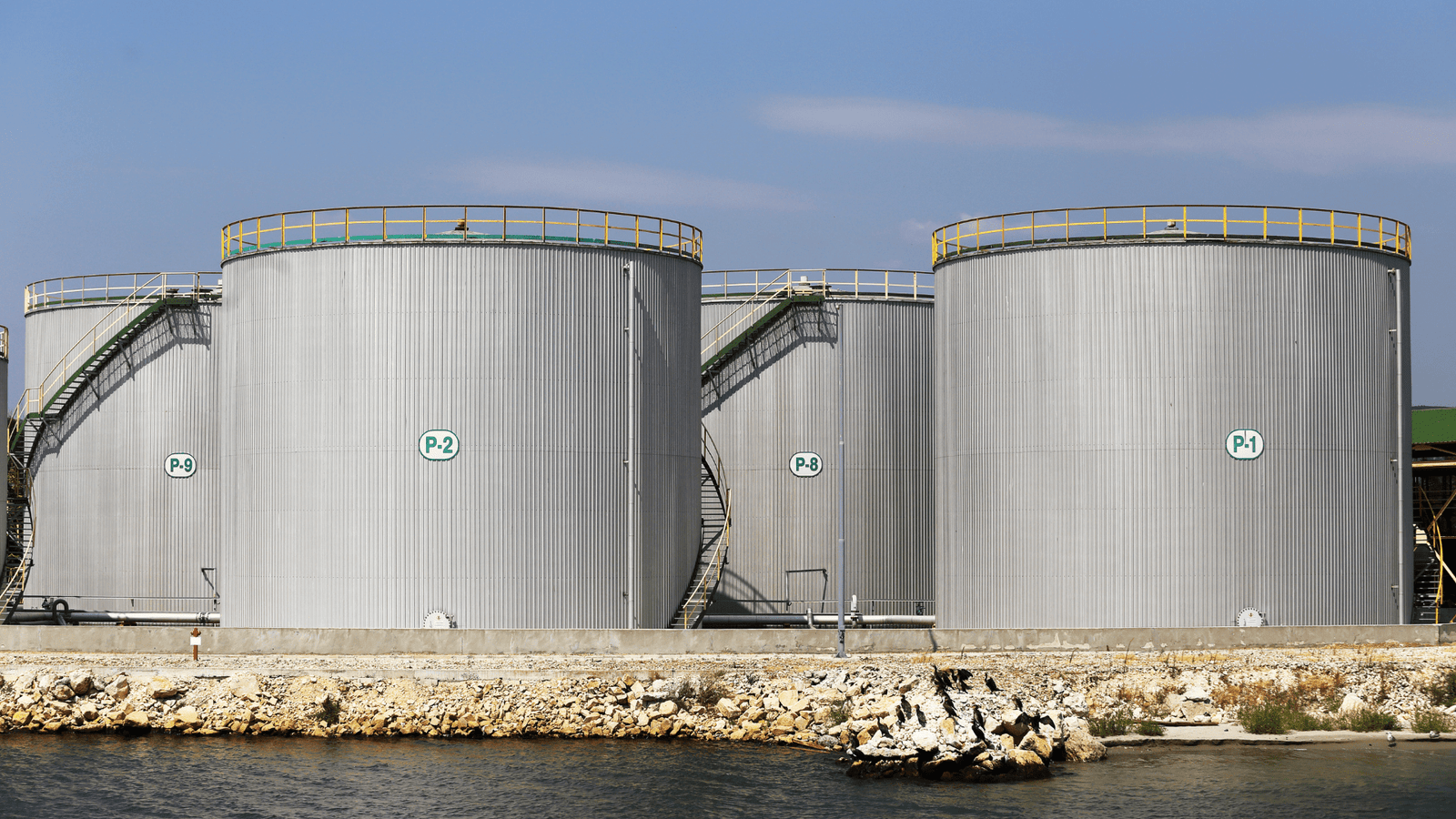
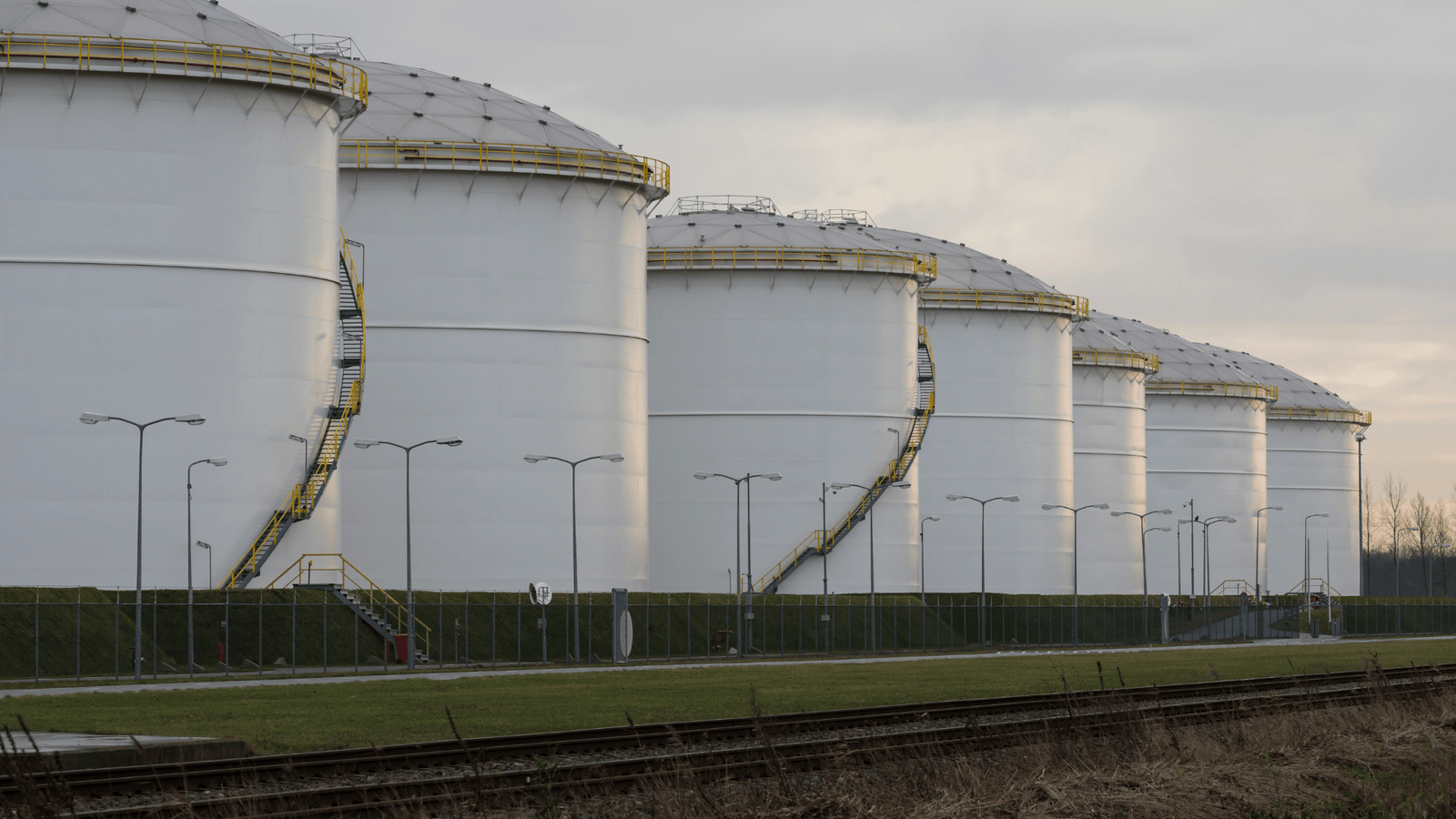
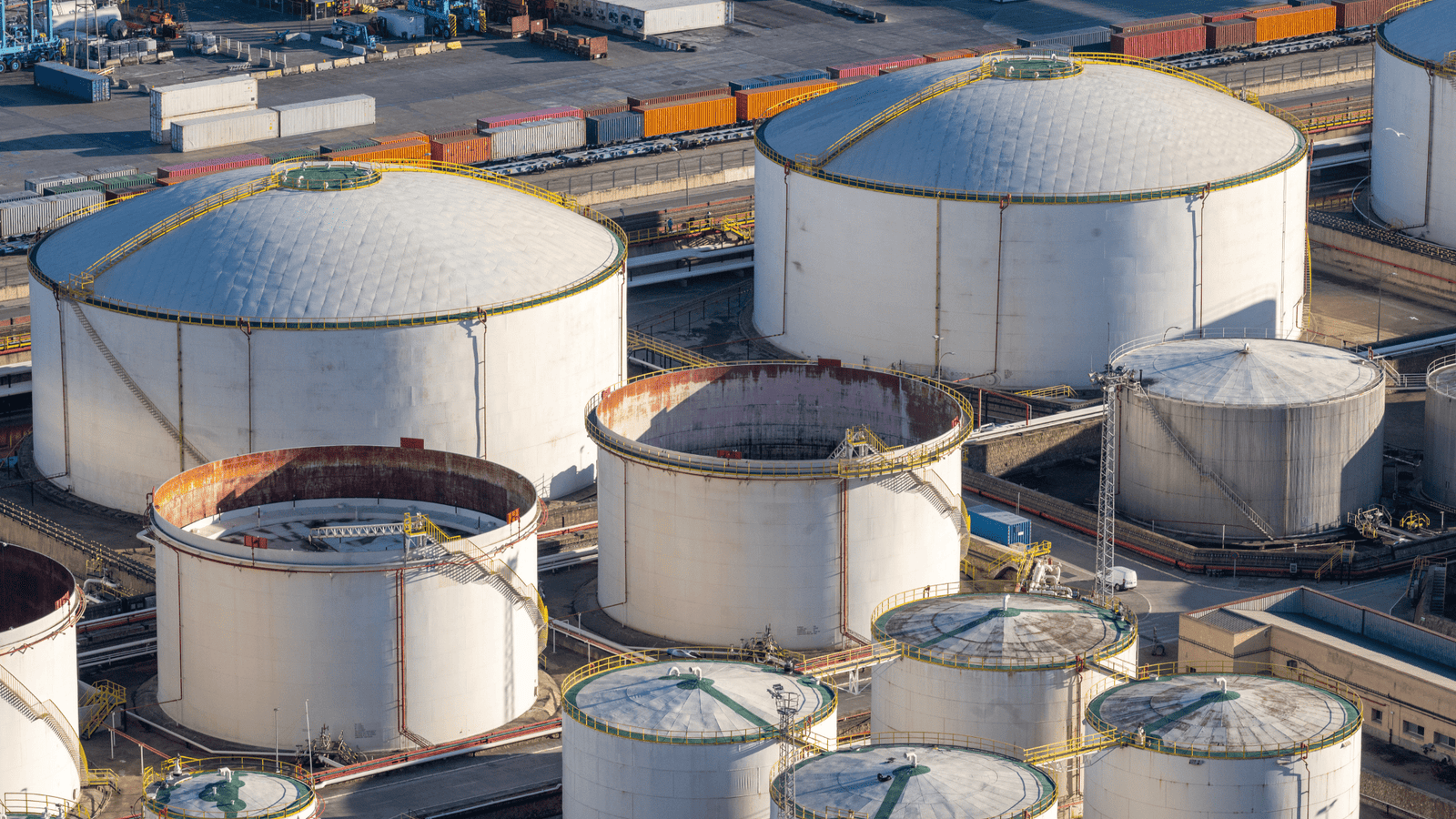
Land tanks (also known as bulk storage tanks or static storage tanks) are large, stationary tanks installed at ground level for storing bulk liquid cargo in large quantities. These tanks form permanent storage infrastructure within chemical plants, refineries, tank farms, liquid logistics hubs and port terminals.
Designed for high-volume industrial operations, land tanks act as a strategic buffer between bulk imports, production cycles and downstream distribution – ensuring supply stability, operational flexibility and inventory control.
What Can Be Stored in Land Tanks?

Petrochemicals (methanol, styrene, bitumen)

Acids (HCl, sulphuric acid, nitric acid)

Solvents (toluene, xylene)

Edible oils

Liquid fertilizers

Fuel oils & diesel

Specialty chemicals

Pharma intermediates

Water
How Do Land Tanks Create Strategic Value for Clients
Bulk Inventory Storage
- Capacity range: 50 KL to 50,000+ KL
- Balances supply-demand cycles
- Acts as intermediate holding buffer
- Enables batch-wise drumming
Business Impact:
Reduces demurrage | Improves port efficiency | Supports bulk imports
Trading & Arbitrage Advantage
1. Store cargo when market prices are low
2. Release stock when demand and pricing improve
3. Enables controlled, phased distribution
4. Strengthens working capital strategy
Heating & Conditioning Capabilities
Certain cargo requires thermal stability and viscosity control.
Land tanks can be equipped with:
- Steam coils
- Temperature control systems
- Insulation
- Solidification prevention systems
Blending & Customization
Land tanks can be utilized for:
- Chemical mixing
- Concentration adjustment
- Quality correction
- Batch processing
Supply Security & Risk Mitigation
- Maintain strategic safety stock
- Avoid production shutdowns
- Manage import delays
- Protect against geopolitical disruptions
This is critical for large-scale manufacturers and bulk importers.
Materials Used in Land Tanks
- HDPE
- Stainless Steel
- Mild Steel
- Special alloys (based on cargo compatibility)
Additional consideration:
Tanks may be internally lined for hazardous or corrosive cargo storage.
Types of Land Tanks
Fixed Roof Tanks
Standard design for stable liquid storage.
Floating Roof Tanks
Ideal for volatile or vapor-sensitive cargo.
Cone Roof Tanks
Common in chemical storage facilities.

Vertical Cylindrical Tanks
Most widely used design in tank farms.

Horizontal Tanks
Suitable for specific industrial layouts and space constraints.
Compliance & Safety Requirements
Industrial land tank infrastructure must meet strict safety and regulatory standards.
Key requirements include:
- Bund walls (secondary containment)
- Overfill protection systems
- Vapor recovery systems (for volatile cargo)
- Fire protection systems (foam systems for hazardous liquids)
- Periodic thickness testing
- Corrosion monitoring
- PESO compliance (for flammable liquids in India)

Safety

Environmental

Regulatory

Fire Compliance
Amfico’s Value Proposition for Bulk Liquid Industry
Offer bulk import storage
Increase ISO tank asset utilization
Improve containerized cargo turnaround
Additional Integration Strength:
- Integrated with ISO Tank Cleaning & M&R
- Drumming & Tank-to-Tank Transfer Support
- Strategic port-proximity infrastructure
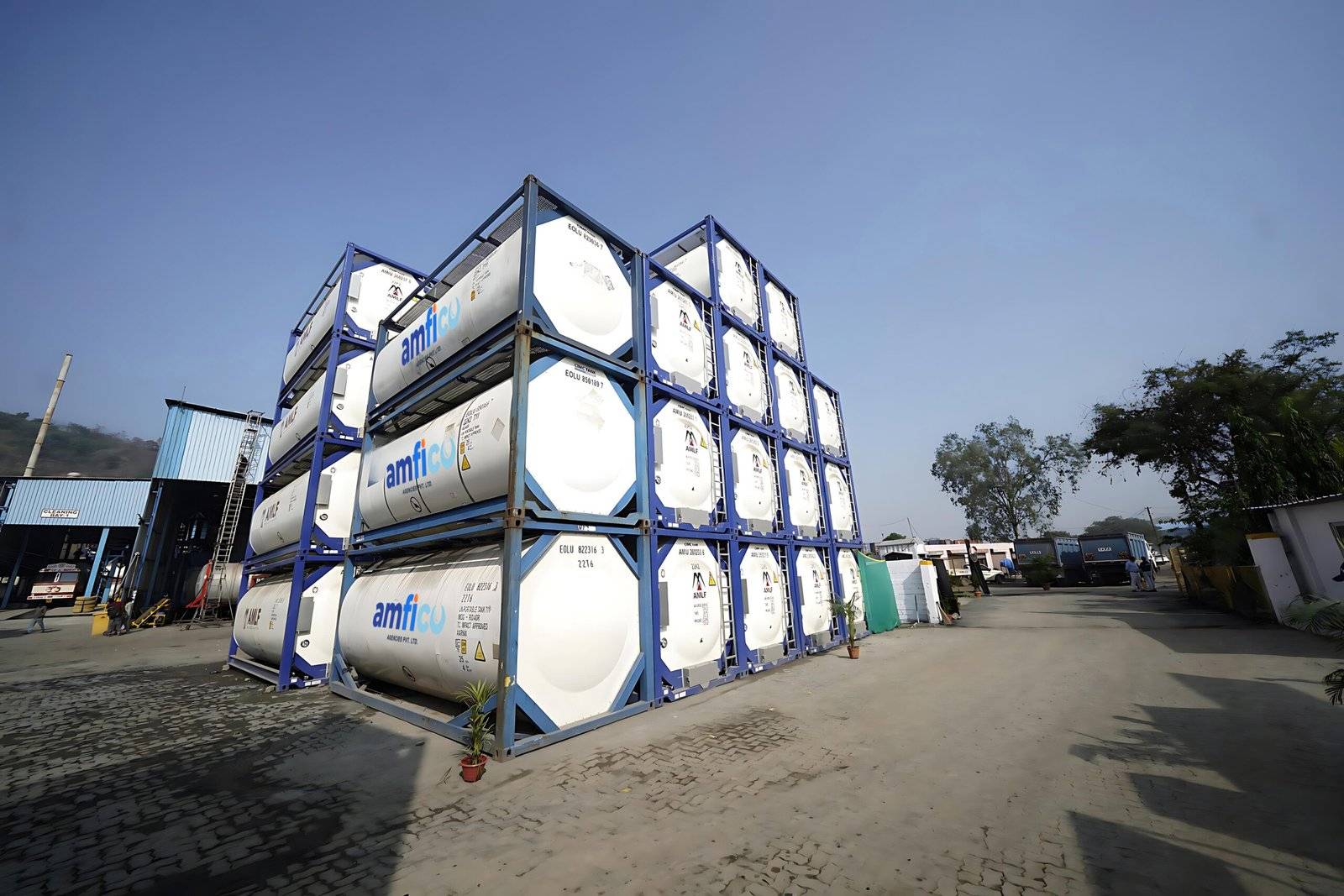
Integrated Storage Within AMFICO Liquid Logistic Hub
Land tanks operate as part of a fully integrated ecosystem within amfico Liquid Logistic Hub, including:
- ISO tank cleaning
- Repair & maintenance
- Testing & certification
- Drumming services
- Tank-to-tank transfer
- Yard management
This integration enhances operational efficiency, turnaround speed and infrastructure reliability.
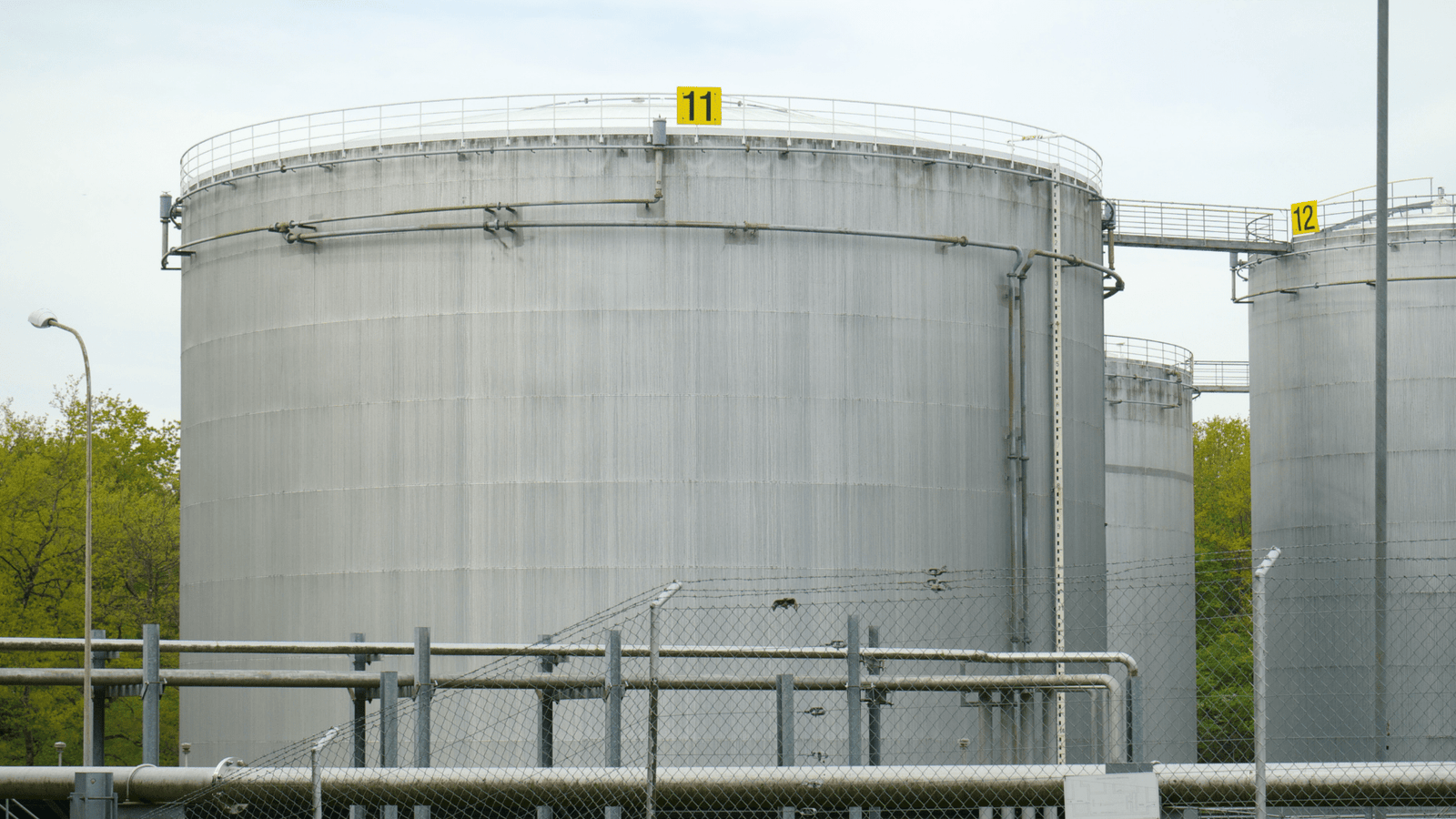
Secure Bulk Storage with AMFICO Infrastructure
From bulk import handling to strategic inventory management, amfico’s land tank infrastructure delivers secure, compliant and scalable liquid storage solutions for industrial clients across India.
GOT A QUESTION?