
 Related Products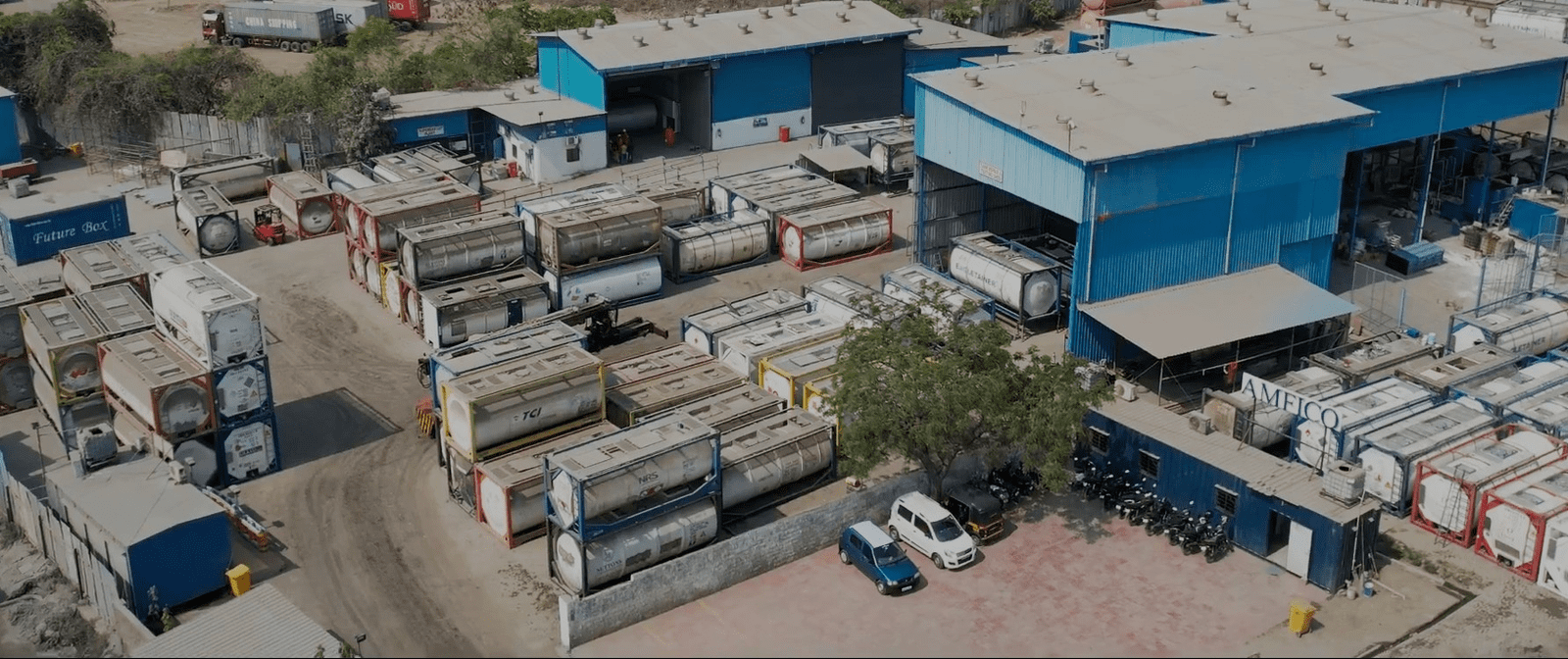
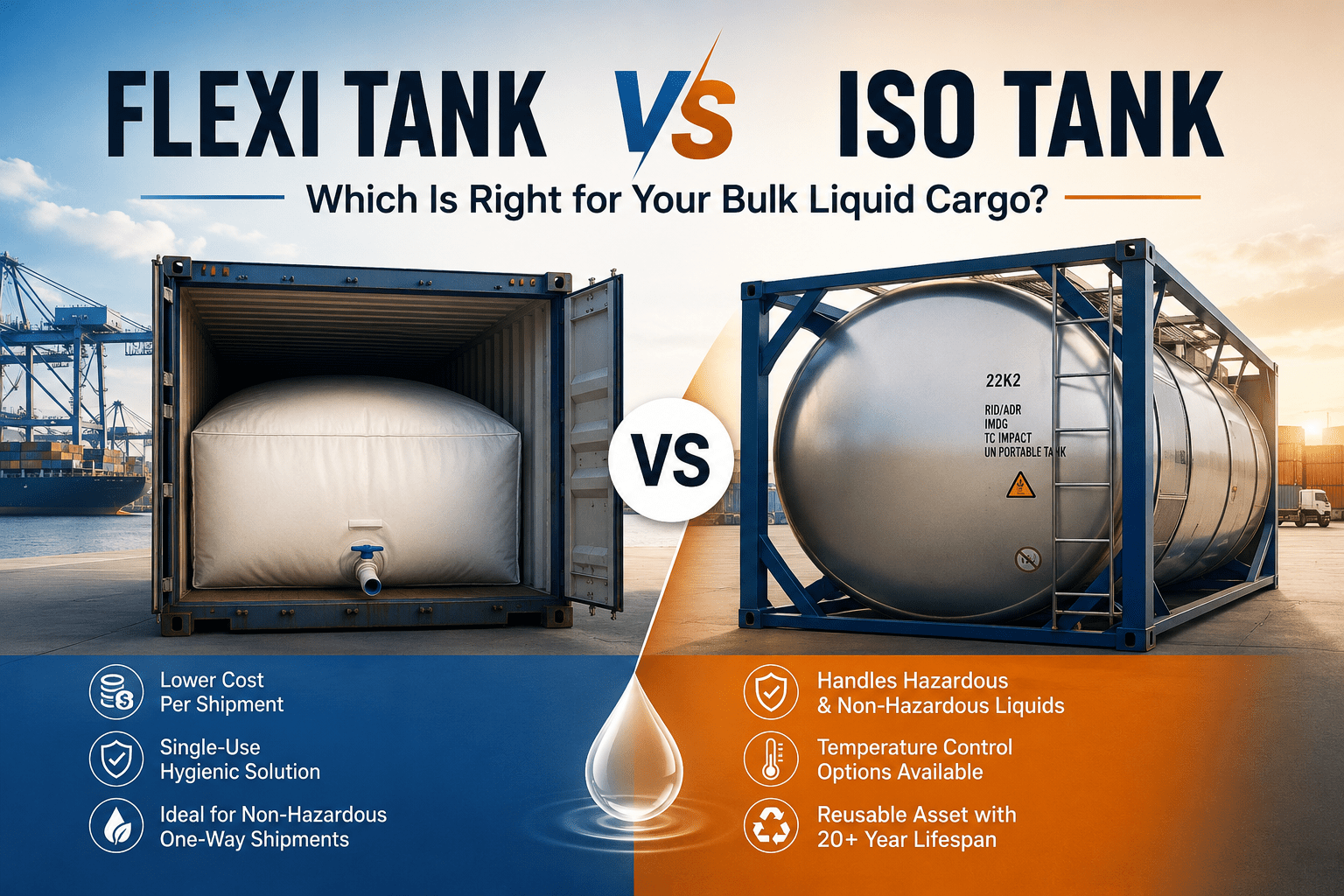
Every bulk liquid shipment starts with a decision that most logistics managers get wrong at least once: should the cargo move in a flexi tank or an ISO tank container?
The wrong choice doesn’t just cost money – it can mean contaminated product, rejected shipments at port, regulatory non-compliance, or cargo that arrives solidified because nobody accounted for temperature sensitivity.
At Amfico, we operate both flexi tanks and ISO tank containers across India’s busiest liquid logistics corridors. This article breaks down the real differences between the two – not just the textbook definitions, but the operational, cost and compliance factors that actually determine which option protects your cargo and your margins.
What Is a Flexi Tank?
A flexi tank (also called a flexitank or flexi bag) is a large, collapsible bladder made from multiple layers of food-grade polyethylene and polypropylene. It fits inside a standard 20-foot dry shipping container, converting it into a liquid transport unit.
Key specifications:
- Capacity: 10,000 to 24,000 litres per unit
- Material: Multi-layered PE/PP – food-grade certified
- Use type: Single-use (one-way); recyclable after disposal
- Loading: Top-fill or bottom-fill via valve; typical loading time under 45 minutes
- Compatibility: Non-hazardous liquids only
Flexi tanks are designed for shippers who need a cost-effective, contamination-free solution for moving non-hazardous bulk liquids – edible oils, fruit juices, wine, syrups, latex, glycerin, liquid detergents, biodiesel, and agricultural fertilizers.
Because each flexi tank is brand new at the point of use, there is zero risk of cross-contamination from previous cargo. This makes them a strong fit for food-grade and pharmaceutical-grade base liquids where hygiene is non-negotiable.
Amfico provides flexi tank solutions through its partnership with Infinity Bulk Logistics (Malaysia), offering professional on-site installation and handling at major Indian ports, client factories, and logistics hubs. Every flexi tank deployed by Amfico meets global safety and hygiene standards for bulk liquid transportation.
What Is an ISO Tank Container?
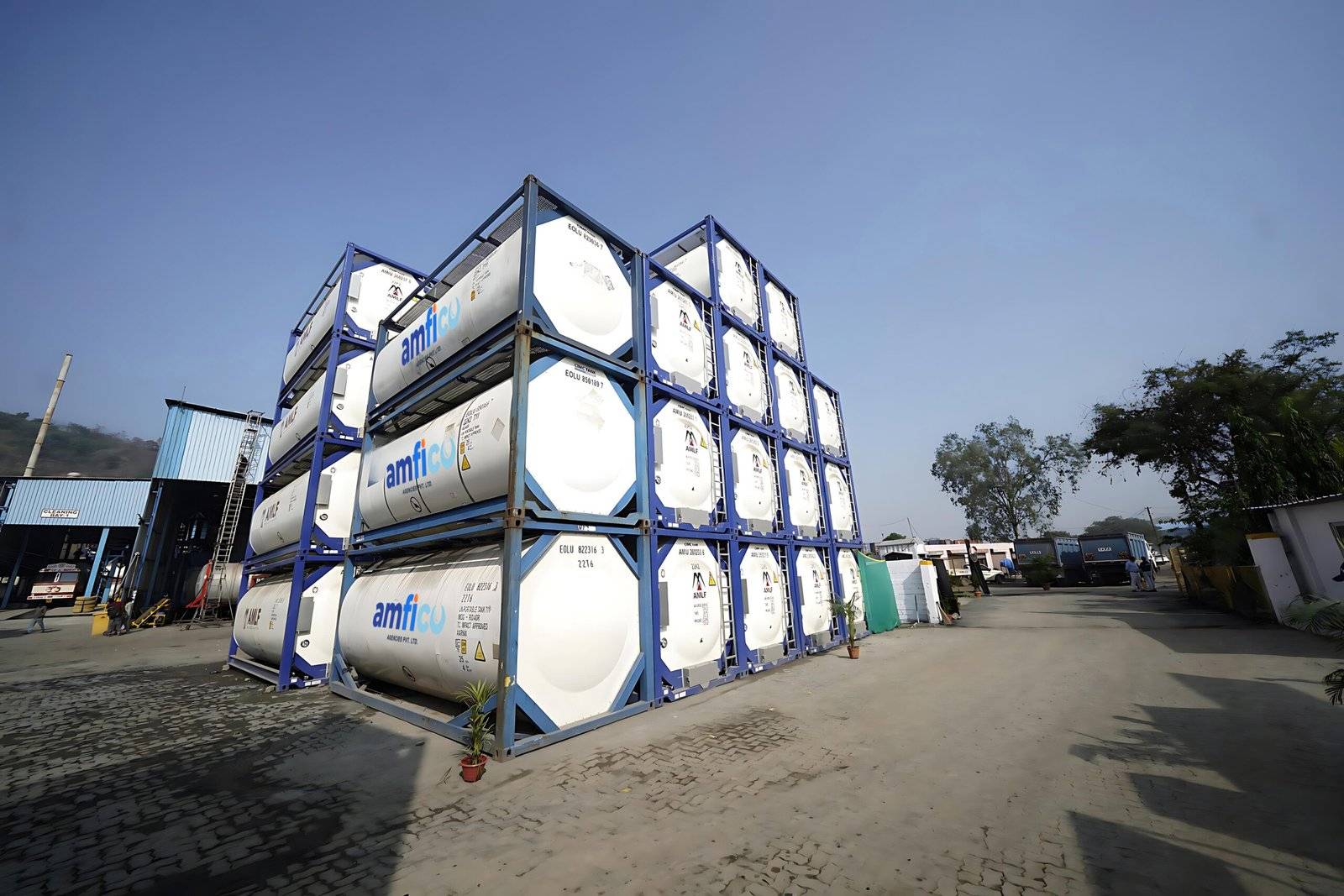
An ISO tank container is a cylindrical stainless-steel pressure vessel mounted inside a standardised ISO frame. Built to international standards, it can transport both hazardous and non-hazardous bulk liquids by sea, rail, and road – making it a truly multimodal asset.
Key specifications:
- Capacity: 21,000 to 26,000 litres (standard T11); varies by type
- Material: Stainless steel (SS316 or SS316L) with insulation/heating options
- Use type: 20+ year operational lifespan
- Tank types: T11, T14, T20, T50 (gas), T75 (cryogenic)
- Compatibility: Hazardous and non-hazardous liquids, gases, and cryogenic products
ISO tanks carry everything from industrial chemicals and petroleum products to pharmaceutical intermediates, liquefied gases, and food-grade liquids. They can be fitted with electrical heating, steam coils, refrigeration units, or cryogenic insulation depending on cargo requirements.
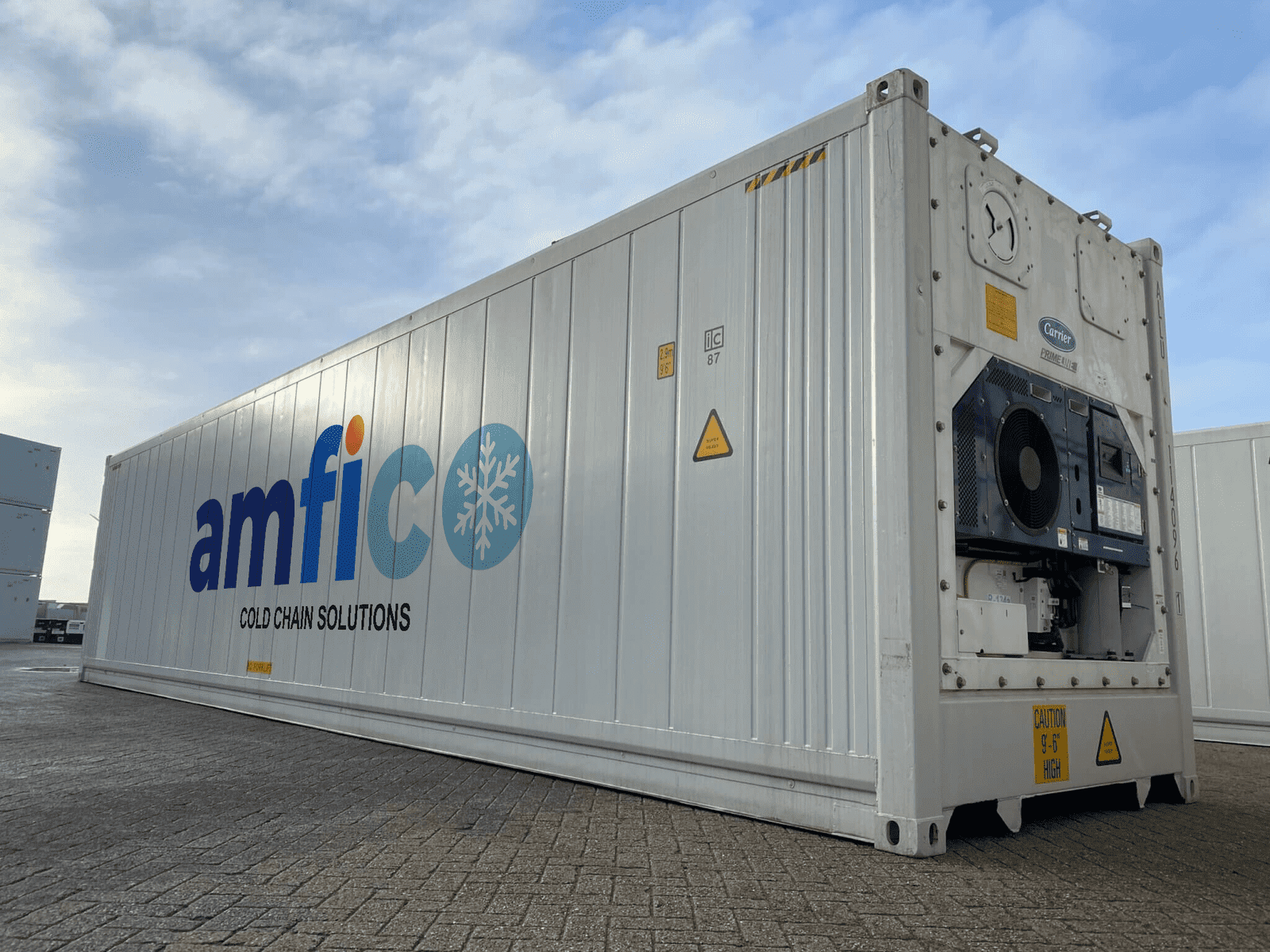
Amfico manages a diverse fleet of ISO tank containers available for sale, lease and storage – including T11, T14, T50, and T75 types. The company’s ALL HUB facility at Nhava Sheva provides ISO tank cleaning, maintenance, repair, drumming, and cargo transfer operations, all under one roof.
Flexi Tank vs ISO Tank – Head-to-Head Comparison
The table below compares the two across 10 operational factors that matter most to bulk liquid shippers:
| Factor | Flexi Tank | ISO Tank Container |
| Construction | Multi-layer PE/PP bladder inside a dry container | Stainless steel vessel in ISO standard frame |
| Capacity | 10,000–24,000 litres | 21,000–26,000 litres (T11 standard) |
| Cargo type | Non-hazardous only | Hazardous + non-hazardous |
| Temperature control | Not available – unsuitable for temp-sensitive cargo | Heated, insulated, refrigerated, or cryogenic options |
| Reusability | Single-use (disposed/recycled after one shipment) | Reusable for 20+ years with proper maintenance |
| Upfront cost | Lower per shipment – no return freight, no cleaning | Higher per shipment – but amortises over repeat use |
| Cleaning | None required (single-use eliminates contamination) | Mandatory cleaning + certification between loads |
| Compliance | FDA/food-grade certification; limited regulatory scope | CSC, ADR, IMDG, UN Portable Tank Instructions |
| Installation | Requires on-site installation inside dry container | Self-contained unit – no installation needed |
| Environmental impact | Single-use plastic (recyclable but generates waste) | Steel construction – reusable, lower lifecycle waste |
This comparison makes the trade-offs clear: flexi tanks win on simplicity and upfront cost for non-hazardous, one-way shipments. ISO tanks win on versatility, safety, regulatory compliance, and total cost of ownership for repeat corridors.
When to Choose a Flexi Tank
A flexi tank is the right choice when your shipment meets all of the following criteria:
Your cargo is non-hazardous. Flexi tanks cannot carry ADR/IMDG classified dangerous goods. If your liquid is classified hazardous by any regulatory body, a flexi tank is not an option – full stop.
Temperature is not a concern. Flexi tanks offer no heating, cooling, or insulation. If your cargo solidifies, degrades, or changes viscosity below a certain temperature, a flexi tank puts the entire shipment at risk. Coconut oil, for example, solidifies in transit during winter months – shippers who overlook this lose entire container-loads.
You’re shipping one-way. Flexi tanks eliminate return logistics. There is no empty container to reposition, no cleaning to schedule, no depot to coordinate with. For one-directional trade lanes – say, edible oil from India to the Middle East – this saves significant cost.
Contamination risk is your top concern. Because every flexi tank is factory-new at the point of loading, there is zero possibility of residue from a previous cargo. For food-grade liquids (juices, syrups, wine, milk, sauces) and cosmetic-grade products (base oils, liquid extracts), this is a genuine operational advantage.
Budget is tight and shipment frequency is low. If you’re shipping bulk liquid once a quarter or less, the per-shipment economics of a flexi tank are hard to beat. No lease commitment, no depot fees, no maintenance contracts.
Industries that use flexi tanks most: food and beverage manufacturers, edible oil exporters, agricultural chemical companies, cosmetics and personal care brands, biodiesel producers.
When to Choose an ISO Tank
An ISO tank container is the right choice when any one of the following applies:
Your cargo is hazardous. Chemicals classified under ADR, IMDG, or UN dangerous goods regulations require an ISO tank – there is no alternative in the flexi tank category. Industrial acids, solvents, petroleum products, and reactive chemicals must move in certified ISO tank containers.
You need temperature control. ISO tanks can be fitted with steam heating coils, electrical heating, insulated jackets, or full refrigeration. For pharmaceutical intermediates, temperature-sensitive chemicals, waxes, and food-grade products that require heating above ambient, an ISO tank with temperature management is the only safe option.
You ship on repeat trade lanes. If you’re moving the same liquid between the same two points every month, the economics flip. An ISO tank lease amortises over dozens of trips, and the per-litre cost drops well below what a flexi tank costs over the same volume and time period.
Regulatory compliance is mandatory. ISO tanks carry CSC (Container Safety Convention) plates, meet IMDG Code requirements for sea transport, and comply with ADR regulations for road transport. For pharma, petrochemical, and food-grade applications where documentation and audit trails matter, ISO tanks provide a compliance infrastructure that flexi tanks cannot match.
You need multimodal flexibility. ISO tanks move by sea, rail, and road without cargo transfer. A single ISO tank can go from factory to port to rail terminal to final destination. Flexi tanks, by comparison, are limited to containerised sea and road freight.
Industries that rely on ISO tanks: chemical manufacturers, petroleum and petrochemical companies, pharmaceutical bulk producers, LPG and industrial gas suppliers, food-grade liquid processors with high-volume routes.
What About Cost? A Realistic Breakdown
Cost is where most comparisons oversimplify. The statement “flexi tanks are cheaper” is true per shipment – but misleading across a Logistics cycle.
Flexi Tank Cost Structure
The direct cost of a flexi tank includes the bag itself, installation labour, and the dry container freight. There are no cleaning charges, no return freight, and no depot storage fees. For a single one-way shipment, this is genuinely the most economical option.
However, flexi tanks carry hidden costs that rarely appear in initial quotes: disposal fees for the used bladder (increasing as plastic regulations tighten), the premium on a dry container versus a readily available ISO tank slot, and the inability to carry return cargo – meaning the container goes back empty.
ISO Tank Cost Structure
ISO tanks cost more per trip. There is the tank lease or ownership cost, mandatory cleaning and certification between loads (which can run several hundred dollars per cycle), depot storage charges, and repositioning costs if the tank cannot be filled on the return leg.
But over a 12-month programme of monthly shipments, the per-litre cost of an ISO tank drops significantly below the cumulative cost of 12 individual flexi tanks. Add in the ability to carry hazardous cargo, maintain temperature, and reuse the same certified unit – and the total value equation shifts toward ISO tanks for any shipper with consistent volume.
The Decision Rule
- Fewer than 4 shipments per year on the same route? Flexi tank is likely more cost-effective.
- Monthly or more frequent shipments? ISO tank lease will save money within 6–8 months.
- Mixed cargo types (some hazardous)? ISO tank is the only option – cost comparison is irrelevant.
Compliance and Safety Considerations
This is the section that most comparison guides skip entirely – and it is the one that matters most to procurement and compliance teams.
ISO Tank Certifications
Every ISO tank in active service must carry a valid CSC (Container Safety Convention) plate confirming structural integrity. For sea transport, it must comply with the IMDG Code (International Maritime Dangerous Goods). For road transport in regulated markets, ADR (Agreement Concerning the International Carriage of Dangerous Goods by Road) compliance is required. Tank type approvals (T11, T14, etc.) follow UN Portable Tank Instructions, which specify minimum shell thickness, pressure ratings, and valve requirements for each cargo class.
Amfico’s ISO tanks at the ALL HUB facility undergo regular inspection, testing, and certification to maintain full compliance across all transport modes.
Flexi Tank Certifications
Flexi tanks used for food-grade cargo must meet FDA standards and carry a Certificate of Analysis (COA) confirming material purity. For certain markets, HACCP compliance is also required. The manufacturing facility must demonstrate food-grade certification for the PE/PP materials used.
Carrier and Port Restrictions
This is a factor that catches many first-time flexi tank users off guard: some major shipping lines and ports restrict or refuse flexi tank shipments due to leakage liability. A flexi tank leak inside a container vessel can contaminate other cargo and create significant clean-up costs. Before booking a flexi tank shipment, confirm that your chosen carrier and destination port accept them.
ISO tanks, by contrast, face no such restrictions. Their rigid steel construction and standardised valve systems mean they are accepted universally across carriers, ports, and inland terminals worldwide.
Insurance
Cargo insurance for ISO tank shipments is generally straightforward – the tank is a known, certified asset. Flexi tank cargo insurance can be more complex, particularly for high-value liquids, because insurers factor in the higher leakage risk profile of a flexible bladder versus a steel vessel.
How Amfico Helps You Choose the Right Solution
Most bulk liquid logistics providers specialise in one or the other – they sell flexi tanks or they lease and sell ISO tanks. Their advice is inevitably shaped by what they sell.